6 Ways to find your style
Artistic style is a unique way in which an artist approaches their work. It’s an expression of the artist’s individuality, creativity, and how they the world.
Developing your own artistic style can be a challenging and rewarding experience, But how do you get started?
In this blog post, we’ll guide you through our top 6 ways to find your own art style along with some of Ian Fennellys top tips.
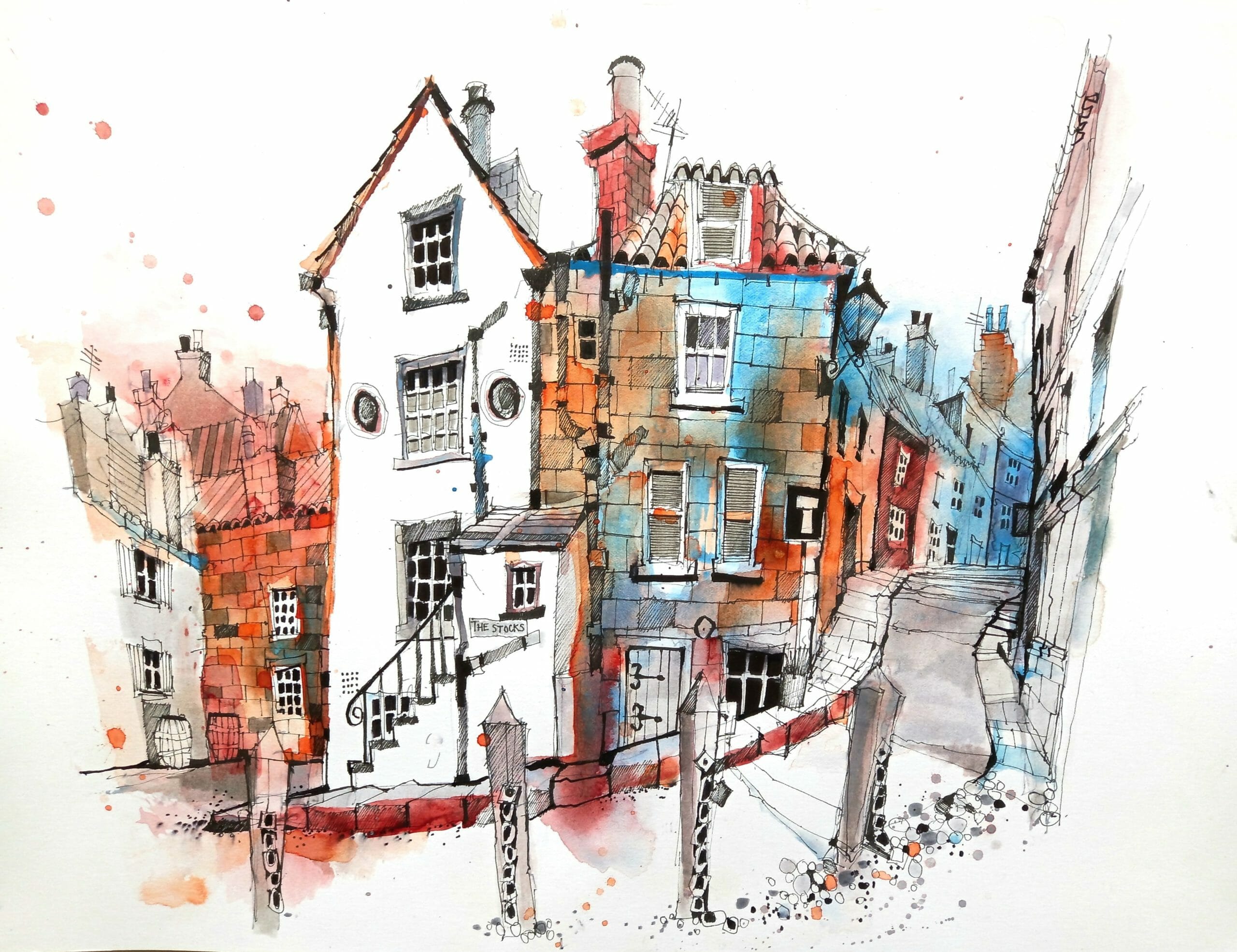
1. Keep Experimenting
Don’t be afraid to try new things and see what brings you joy. Try out new courses and workshops to further your knowledge and take elements of what you have learnt to apply to your own work and style. Sometimes a small bit of information can stick with you and push you into new and unexpected directions.
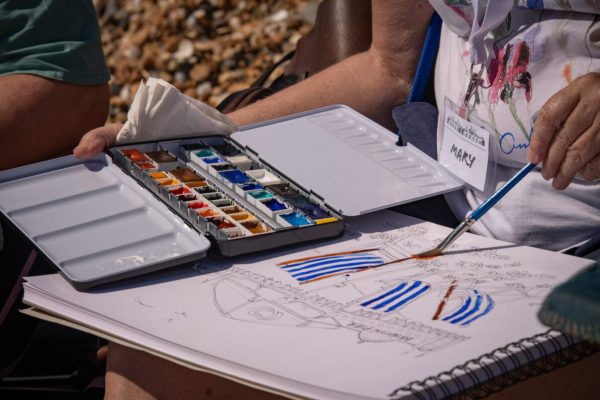
Our tastes change over time so it’s great to try out different mediums, such as watercolors, mixed media, acrylics, graphite, and drawing digital. Play with different techniques and see how they feel. Draw different subjects such as buildings, landscapes, animals and people and see what you enjoy the most.
Style can evolve naturally and the process of experimentation can help you identify which mediums and techniques resonate with you.
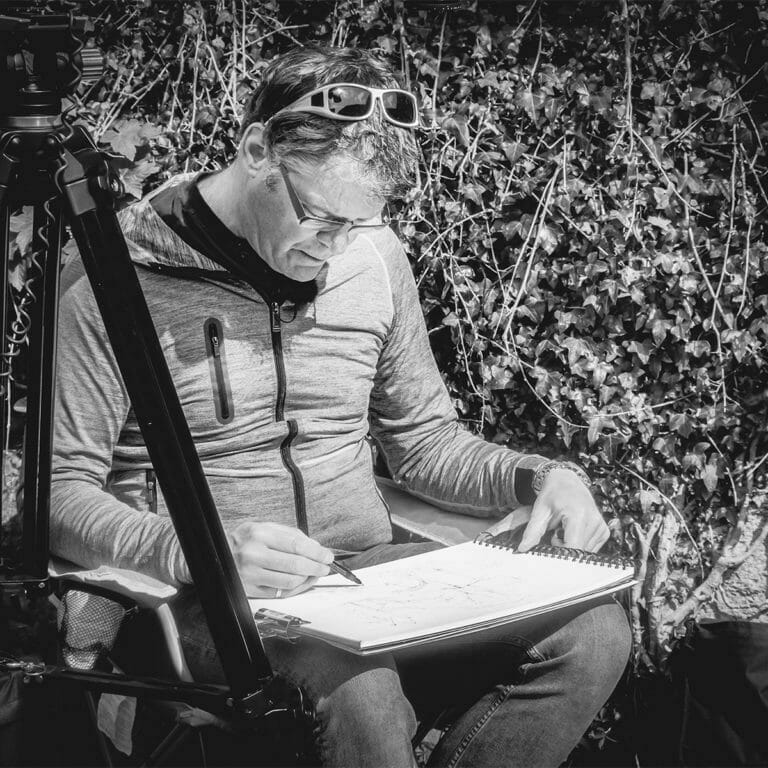
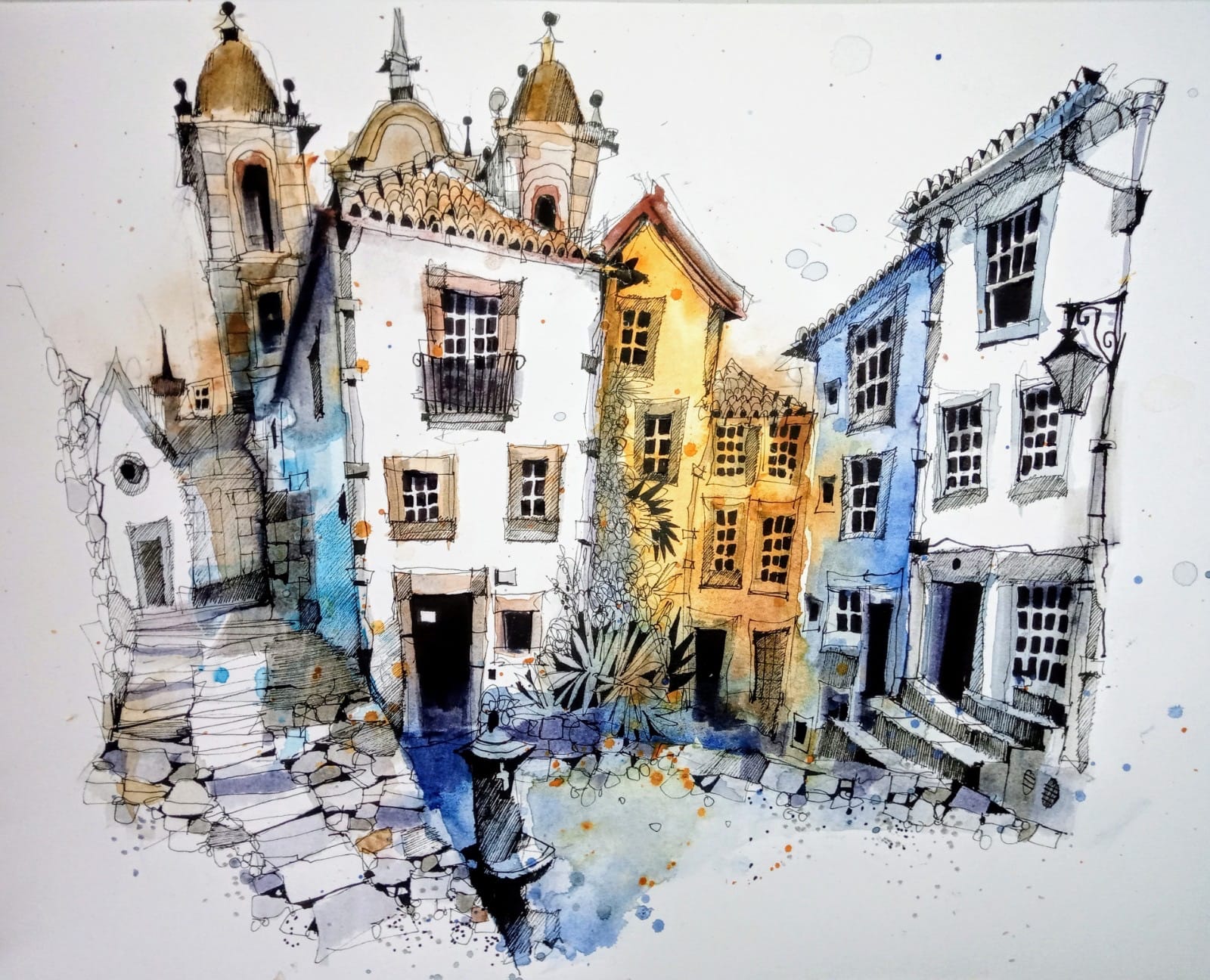
“People always say to me “You’ve got a very unique style of working” but I don’t think I have. I just draw what is natural to me. I just look at the world and I just draw it. I know I use the pen in a certain kind of way and I use certain colours. But to me that’s natural.“
– Ian Fennelly
2. Study other artists
Another way to find your own art style is to study other artists. Look at the works of artists you admire, and try to identify what it is that draws you to their work. Is it the color palette, the composition, or the subject matter? Use this knowledge to inform your own artistic style.
All art and design is inspired by something we see, whether that’s another artist’s work or by something that inspires us. It’s really about taking that inspiration and making it your own by putting your own spin on it. We all learn from copying and experimenting with techniques but remember to make it your own.

3. Practice regularly

“I think personally that you don’t go looking for a style, a style finds you. Through practice and through drawing over the years, eventually you find your own way of working.”
– Ian Fennelly
4. Embrace your imperfections
5. Analyze your own work
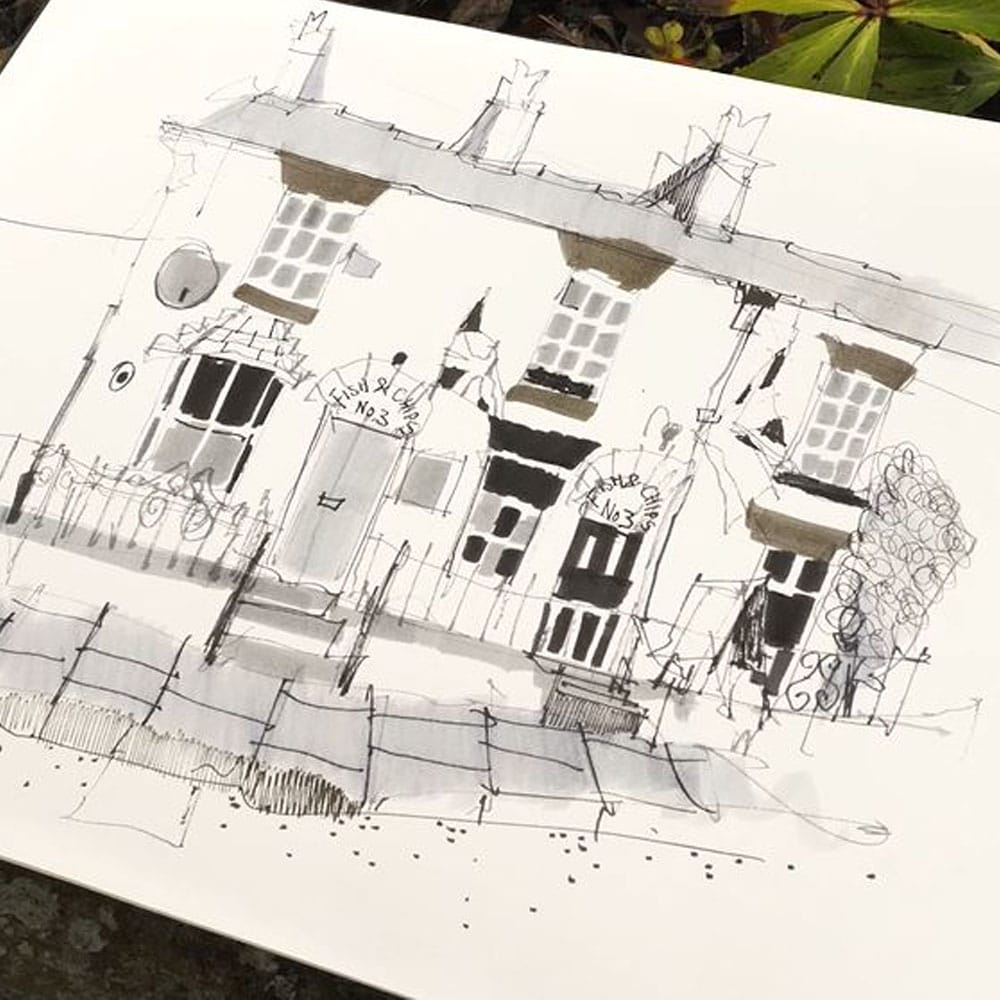
It’s great to take a step back every now and then and analyse your own work. Sometimes we can already have a style but not realise it!
Try to curate your own small gallery space where you can see your progress over time. If you already have an Instagram account, this can serve as a visual portfolio. You could also try creating a Pinterest board, creating a physical board by printing copies or by creating another type of digital board.
Take notes about what you like about your work. Try to identify the pieces that you liked creating the most, and then try to narrow this down further. What do you like about the work? Do you like the techniques or colours or subject?
You can also take notes about how your style flows together. Are there any consistent themes, techniques and styles?

6. Be true to yourself
Ultimately, the most important part of finding your own art style is to be true to yourself. Don’t try to emulate someone else’s style or create work that doesn’t feel authentic to you. Your artistic style should reflect your individuality and your unique perspective on the world.
Finding your own art style is a personal journey that requires experimentation, practice, and self-reflection. It takes time and effort, but the reward is a unique artistic voice that is entirely your own. So, don’t be afraid to explore, practice, and be true to yourself.