The Quiet Skill That Brings Your Art to Life
You’ve got the buildings.
The trees.
The cheerful splashes of colour.
But somehow, your sketch still feels… unfinished.
More often than not, the missing ingredient is tone – the subtle layer that quietly does the heavy lifting in your art.
What is Tone?

How to Use Tone in Your Sketches
1. Start with a Watercolour Wash
Your first layer of tone begins here.
By varying how much water you use, you create natural contrast – softer areas where light falls, punchier washes where you want depth.
2. Layer with Brush Pens
Once your wash is dry, it’s time for your tonal stage – where the magic begins.
Urban sketching tutor Ian Fennelly often works with these five Tombow brush pens:
- N15 (black)
- N60 (cool mid-grey)
- N79 (warm mid-grey)
- N95 (cool light)
- N89 (warm light)
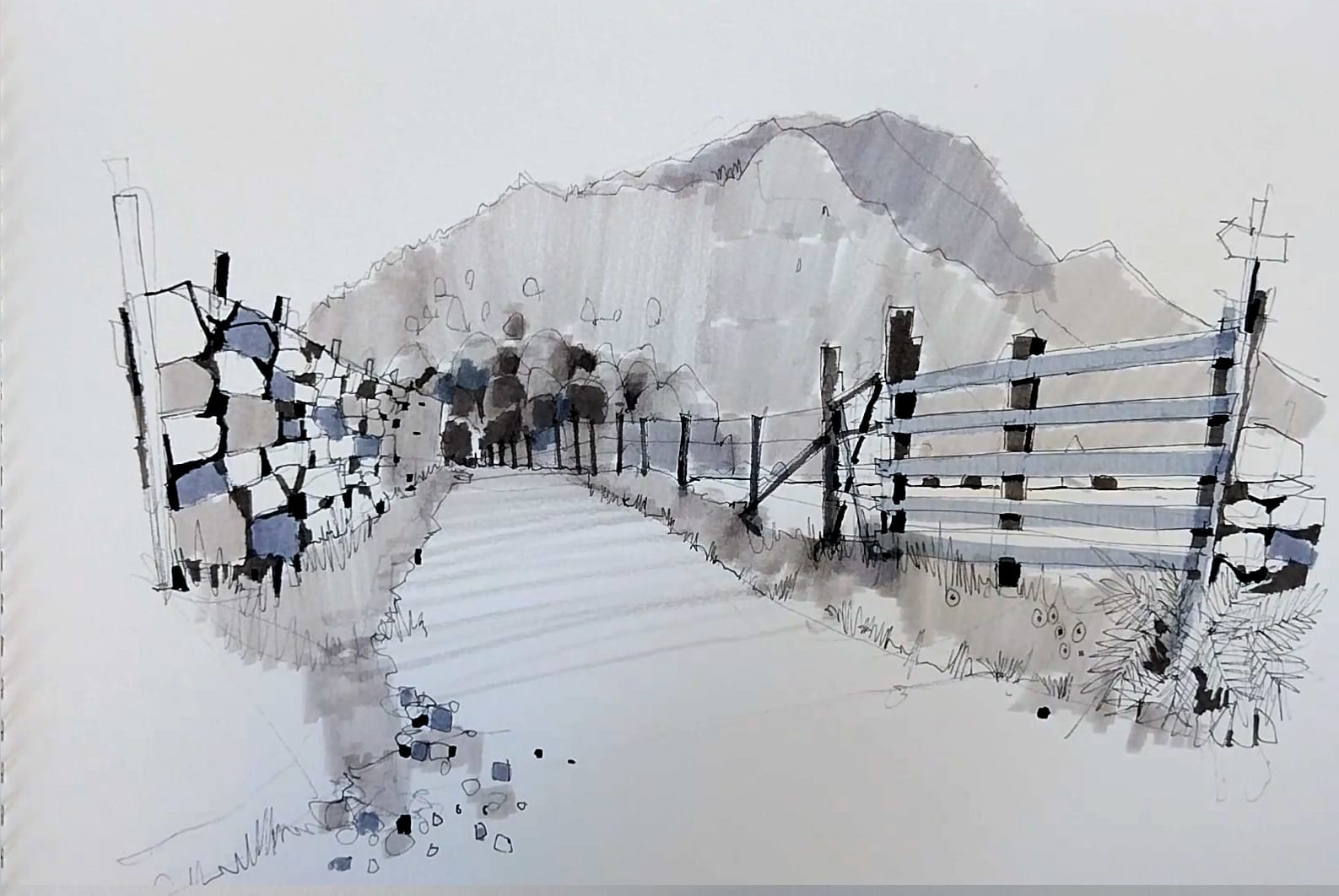
Start with black for the deepest shadows – under window ledges, behind fences, tucked between tree branches.
Use mid-greys for walls, hedgerows, and rooftops.
Finish with the lighter tones for gentle depth — softening paths or balancing hard edges.
Tip: Hold the pen at a flatter angle to glide the side of the tip across the surface. This creates smoother, more even tone — fewer streaks, more control.

3. Balance Light and Dark
Tone isn’t about perfection — it’s about observation.
Ask yourself: Where is the light coming from? What areas need weight? Where should I lighten things up?
A printed black-and-white reference image can be a game-changer here, helping you focus purely on tonal values.
4. Adjust Without Fear
Everyone goes too dark at first.
The fix? Use clean water and a soft brush to reactivate the pigment from your pen, then lift it gently with a tissue. Once dry, you can glaze over with colour to keep the depth while bringing vibrancy back.
And remember — sometimes the most powerful tone is no tone at all. White space matters.

Why Tone Transforms Your Sketches
Adding tone is like adding music to a silent film. It doesn’t take over — it amplifies the story you’re already telling.
For many beginners, learning how to use tone in your sketches is the turning point between producing flat, hesitant drawings and creating confident, believable scenes. It’s not about showing off — it’s about letting your sketch breathe.
Tone is quiet work. But when you use it well, your sketches will feel richer, more balanced, and infinitely more alive.

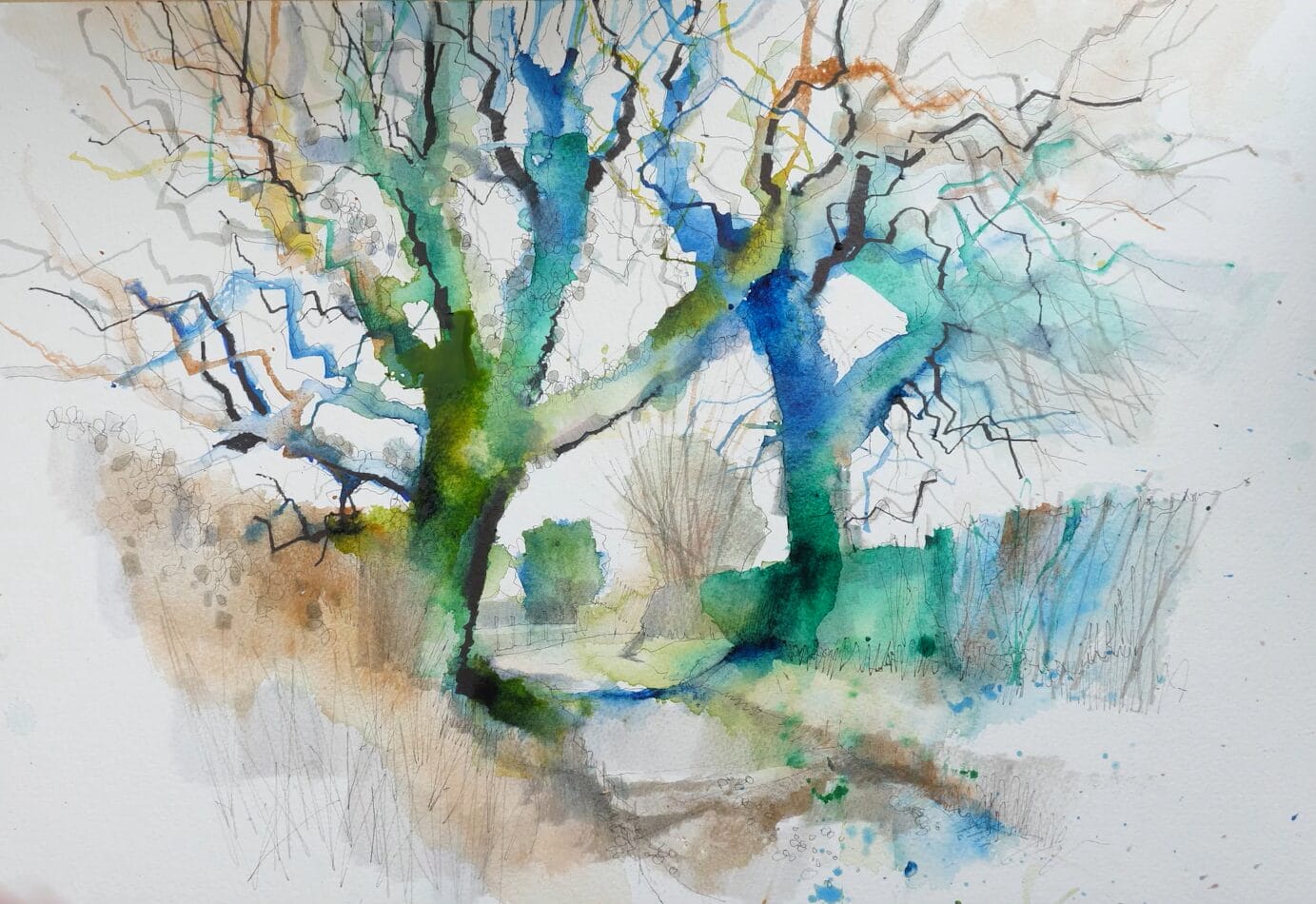
Ready to learn more?
If you’re ready to explore tone in depth, our Urban Sketch PLUS members enjoy entire training modules devoted to tonal work — from brush pen techniques to layering shadows and building depth. You’ll not only learn how to use tone in your sketches, but how to make it second nature.