what is the difference and which should I use?
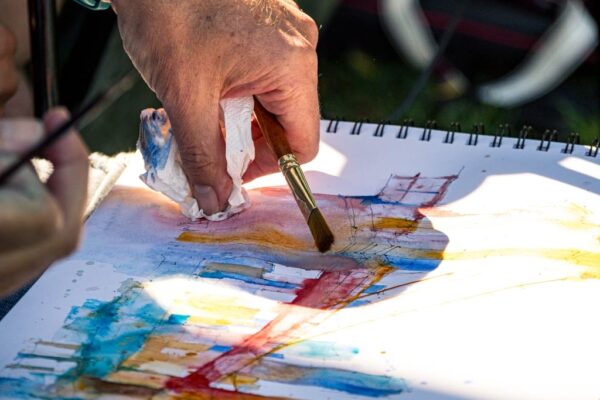
As soon as the brush touches the paper the paint seems to take on a life of its own. Some colours glide like stained glass, letting pencil lines and paper texture shine through. Others sit heavy, covering everything in their path. That’s the bit we all wrestle with – when to let a colour glow and when to let it stand bold.
So what’s the real difference between transparent and opaque watercolours? Which are best for mixing? And which give you more vibrancy? These are questions that pop up for all of us, and the answers are surprisingly simple once you know what to look for. A little testing, a bit of practice, and you’ll start to see why some washes sparkle and others smother.

The simple difference you can see on the page
Transparent paint lets the light from the paper bounce back through the colour. That’s why a transparent wash can look fresh and luminous, even when it’s quite dark. Opaque paint works differently. It blocks more of that light because it holds more pigment, or sometimes even white, so it sits heavier and looks flatter.
Transparent colours are your go-to for vibrancy and clean mixing. Layer a transparent yellow over a transparent blue and the green you get feels lively and rich. Opaque colours are better when you want coverage, when you need a quick blend from dark to light, or when a colour needs calming down. Add a touch of white and you’ve suddenly got a softer pastel, a muted tone, or that chunky grey many of us like for stone or timber.
Neither is “better.” They’re simply different tools. Use transparent for glow and layering. Use opaque for punch, edits and weight.

Why it matters when sketching
Transparent paints are brilliant for those first layers. A light Prussian Blue wash can carry a whole sky, or a Transparent Orange can warm up roof tiles in seconds. Because the paper shows through, you get depth almost without trying. The catch is that watery washes can wake up soft graphite, which makes colours look grey. That’s why many sketchers lighten their pencil lines before painting, or just use a harder lead for the layout.
Opaque paints step in when you want something to stand forward. A strong opaque colour can anchor a shadow, frame a doorway, or give a stone step real presence. They’re less about sparkle and more about solidity.
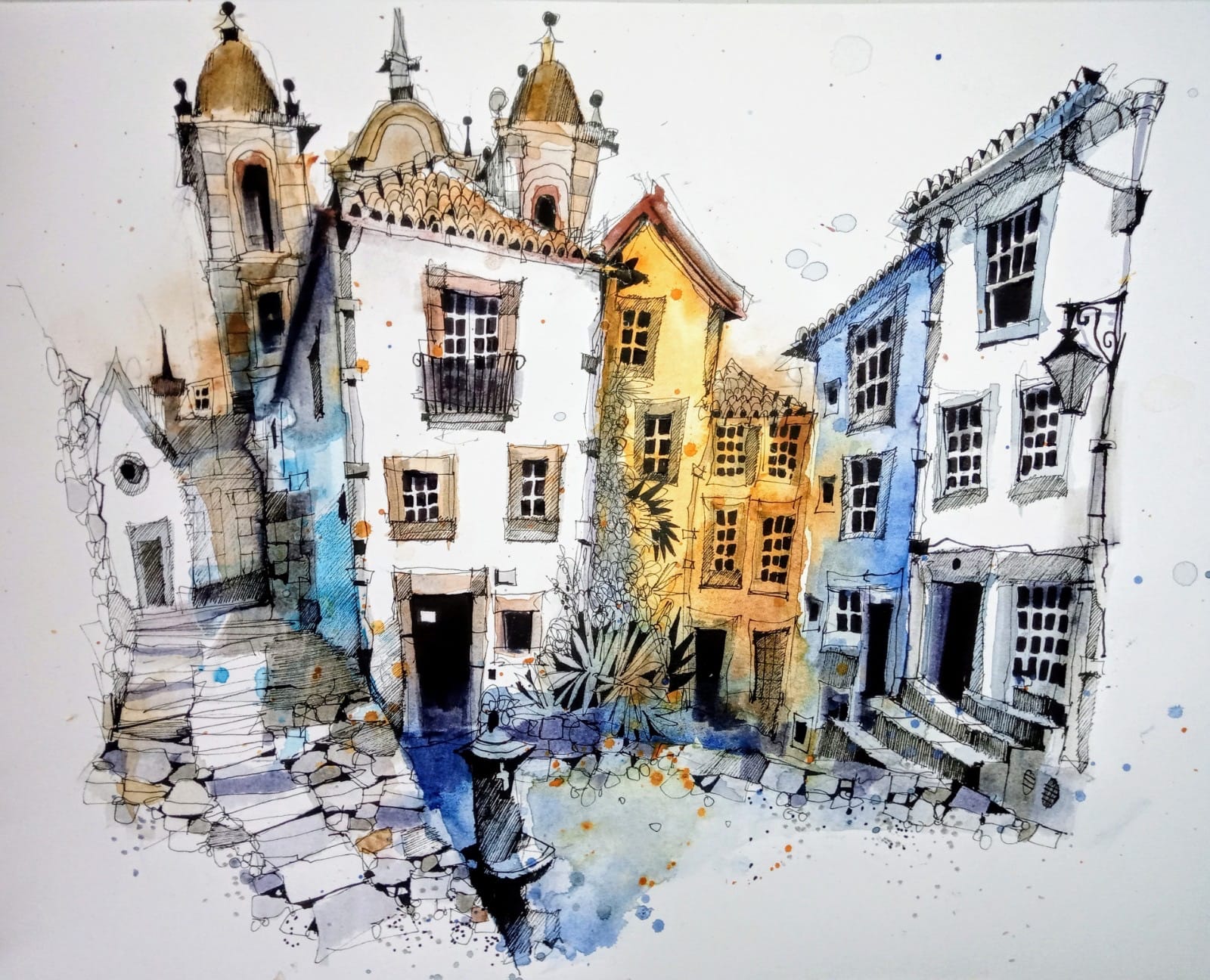
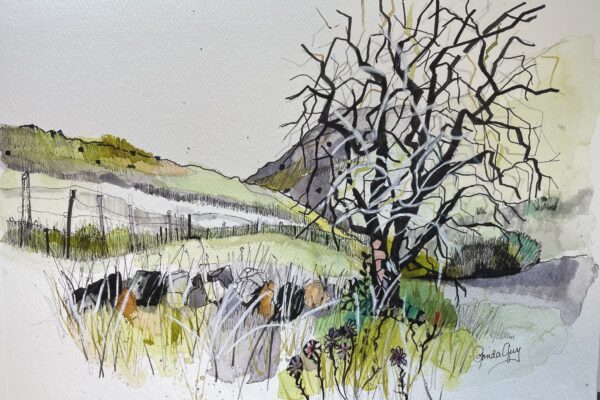
It’s often the mix that makes things sing – a loose transparent wash in the background, then a bold opaque block for a tree trunk, balcony or shadow. The contrast between airy and solid gives your sketch life.

How to tell if your colour is transparent or opaque
If you’re ever unsure, start with a look inside your paint pan. Transparent colours often appear darker or duller in the pan than they do on paper – almost as if they’re hiding their true brightness until water wakes them up. Once you touch the brush in, they suddenly glow, letting plenty of light through. Opaque colours look much the same wet or dry. They’re creamy and solid from the first touch, which is why they cover so well.
If you want to be certain, a quick test or two will tell you everything. Most brands mark transparency with a simple symbol – an open square for transparent, half-shaded for semi, and solid for opaque. But if you don’t see it, make your own swatch. Draw a black pen line, let it dry, then brush a stroke of paint across it. If the line shines through clearly, the paint’s transparent. If it fades or disappears, it’s opaque.
Try one more check: load your brush heavily, then pull a stroke from dark to light with water. Opaque colours tend to shift quickly from strong to pale, while transparents take longer to deepen but reward you with a glowing middle tone. It’s worth keeping a small swatch card marked up with these notes – it only takes a few minutes and saves you a lot of guessing on location.

Mixing, vibrancy, depth and tone without the mud
If your mixes keep turning dull, it’s usually because an opaque or a white-heavy pigment has slipped in, or you’ve pushed complementary colours too far.
For sparkle, stick to two transparents. A transparent yellow and blue make a lively green that stays bright. Swap one of them for an opaque and it’ll look flatter – which might be perfect for muted foliage or a painted door.
For depth, think glazing. A couple of transparent layers build tone far better than one heavy pass. You keep the glow of the paper and avoid chalkiness.
For neutrals, mix complements gently. A little of the opposite colour gives you those warm browny greys that are so useful in streets and shadows. Go too far and you’ll land in mud – not always bad, but usually less lively.
And don’t fear white. A touch of titanium white or gouache softens loud colours and gives you quick pastels that work well for painted wood or signage. Water simply dilutes; white changes character. That’s worth keeping in mind.

Layering order, small exercises, and real-world uses
A handy rule of thumb: light to dark, big to small, transparent to opaque.
Start broad with a transparent wash to set colour and mood. Add a second transparent layer for tone and depth. Then save opaque touches for the end – they sharpen edges, fix mistakes, or pull out details.
You’ll learn the difference fastest by testing it yourself – nothing complicated, just a few quick experiments before you head out.
Try a colour stretch: Paint a wide stroke of a transparent colour and another of an opaque one, both fading from rich to light. Watch how the transparent version keeps its glow, while the opaque quickly evens out and flattens.
Do a mix test: Combine two transparent colours to make a green, then swap one for an opaque pigment. You’ll see the transparent mix sparkle, while the opaque one gives you a softer, more muted tone.
Finish with a sketch test: Paint a small scene or corner of a building using both. Lay down a transparent sky or wall wash, then use an opaque shade to pull out shadows or edges. You’ll instantly see how the opaque colour gives weight and balance.

When sketching with pencil, remember to erase your pencil lines after going over with pen. This stops the lead from being reactivated by the paint and muddying the colours
Opaque touches are your safety net. They can straighten a wobbly line, add a highlight on a sill, or block in a shadow that went astray. Use them sparingly and they’ll give your sketch weight without smothering it.
Think of transparent as breath in the page, and opaque as the weight that grounds it.

Final Thoughts
You don’t have to pick a side. The best sketches use both with intent. Transparent for glow, layering, and vibrancy. Opaque for coverage, solidity, and finishing touches.
Before your next outing, spend two minutes testing your paints. Mark which are transparent and which are opaque with the black line test. Plan your order: big transparent wash first, tone second, opaque accents last.
And most of all, share the results – even if the edges wobble or the mixes get a bit muddy. That’s where the learning happens. Once you understand transparency and opacity, the materials stop fighting you. They start working with you. And that’s when sketching turns from a puzzle into pure pleasure.
Ready to learn more?
If you’d like to explore transparency and opacity in more depth, Ian’s Colour Chart Book is a great place to start. It shows how each pigment behaves on paper – which colours glow, which cover, and how they mix to create balance and depth in your sketches. It’s a simple, practical guide that helps you see colour with fresh eyes and paint with more confidence.