Seeing the World with Fresh Eyes
There’s a quiet kind of joy in stopping for a moment and really looking. A walk through town can shift from ticking off errands to noticing the lean of a lamppost, the jumble of shop signs, or the way a coat hangs differently on every passer-by. These little details often slip by unnoticed when we’re rushing. Yet when we’re sketching, they become treasures. Urban sketching turns the everyday into something worth studying, and the simple act of paying attention changes the way we experience the world.
Many sketchers will tell you that their drawings are less about technical perfection and more about what they’ve seen. A street corner with crooked windows. A market stall overflowing with fruit. A bus stop where two strangers share a brief conversation. These are the things that stick in memory and give our sketches their character. Observation isn’t just a step before drawing; it is the heartbeat of the whole process.
Why Observation Matters in Sketching
So why does observation hold such weight? Because sketching is never just about marks on the page. It starts with what we notice. The sharper our observation, the more personality we can bring into a drawing. It could be the tilt of a head, the weight someone puts into one leg while waiting, or the long shadow cast by a window frame in the afternoon sun.
This is where sketching begins to lean into storytelling. A figure leaning against a wall is not just a figure; it’s someone resting after a long day. A coffee cup left on the pavement isn’t just litter; it’s a trace of someone’s moment of pause. When we see beyond the surface, the sketch becomes more than an outline – it becomes a fragment of lived life.
That’s why many sketchers feel that their best work isn’t necessarily the neatest, but the work where they were most alert. It’s often in the sketches with dodgy proportions or wobbly lines that the energy of the moment shines through. Precision matters less than perception.

Practising Looking, Not Just Drawing
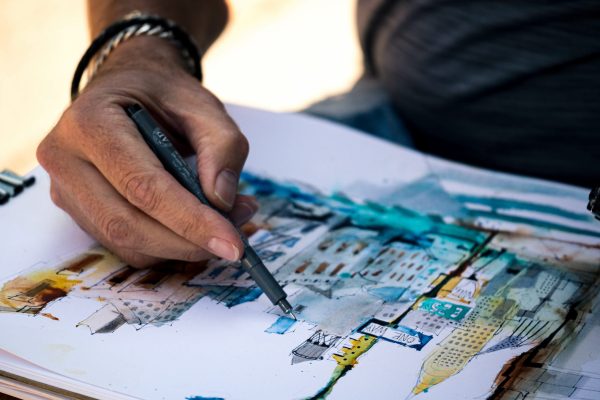
One of the best habits any sketcher can build is to practise looking before rushing for the pen. Take a pause before opening your sketchbook. Notice how light falls across a wall, how a shadow moves as the sun shifts, or how someone’s face changes in an instant when they laugh. These tiny shifts are where the story lives.
If you’ve ever tried sketching people, you’ll know that capturing the spark in an expression matters more than measuring every proportion perfectly. The tilt of an eyebrow or the slump of a shoulder can reveal more about the moment than hours spent correcting anatomy.
Observation isn’t about staring hard in a tense way. It’s more like letting your eyes wander freely and then choosing what really catches your attention. Sometimes it’s a detail. Sometimes it’s a gesture. Sometimes it’s simply the mood of a place. The trick is to notice without judging. Don’t worry if you can’t capture everything. Focus on one or two things that feel alive to you.

Adding Context: Storytelling Through Details
Imagine sketching a busy café. You could fill a page with neat rows of chairs and tables. But that isn’t the story. The real story might be the way someone’s hand curves around a mug, the quick glance between two friends, or the blur of a barista rushing past.
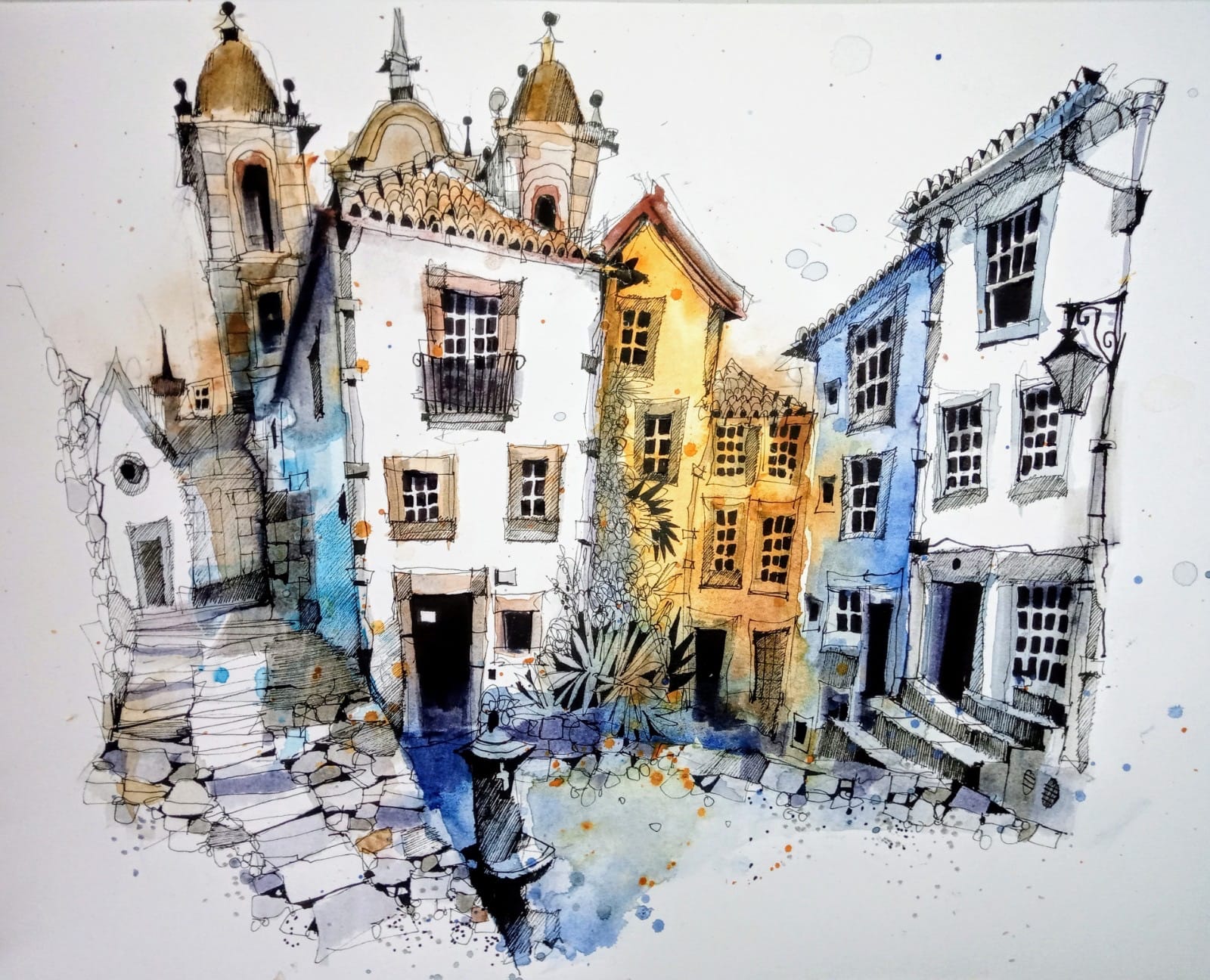
The same goes for sketching streets. Of course, you can line up bricks and windows, but it’s the ivy curling lazily around a window frame, the bicycle leaning as though it’s resting after a long ride, or the pigeon perched cheekily on a sign that give the drawing its life.
These are the little things that keep a sketch from feeling stiff. They are the human touches, the quirks of real life. Ian Fennelly often talks about exaggerating the bits that catch your eye – the slouch of a lamppost, the oversized swing of a coat. These details give the drawing personality. They show the viewer that someone was there, paying attention, and choosing to share what they saw.
Sketching becomes less about accuracy and more about storytelling. And that’s where observation makes the difference. Without it, drawings risk becoming lifeless. With it, even a quick scribble feels alive.

Practical Ways to Strengthen Observation
The good news is that observation is a skill, and like any skill, it grows with practice. Here are a few simple habits to try next time you’re sketching, whether you’re out on location or working from a photograph at home.
Spend two minutes just looking. Before you put pen to paper, pause. Notice shapes, angles, gestures, and light. Give yourself permission to simply observe.
Choose one feature to exaggerate. Perhaps it’s the sprawl of a tree branch, the tilt of a hat, or the bend of a lamppost. This helps train your eye to focus on character, not perfection.
Use a fresh glance. Try closing your eyes briefly, then reopening them. The first thing you notice often deserves a place in your sketch.
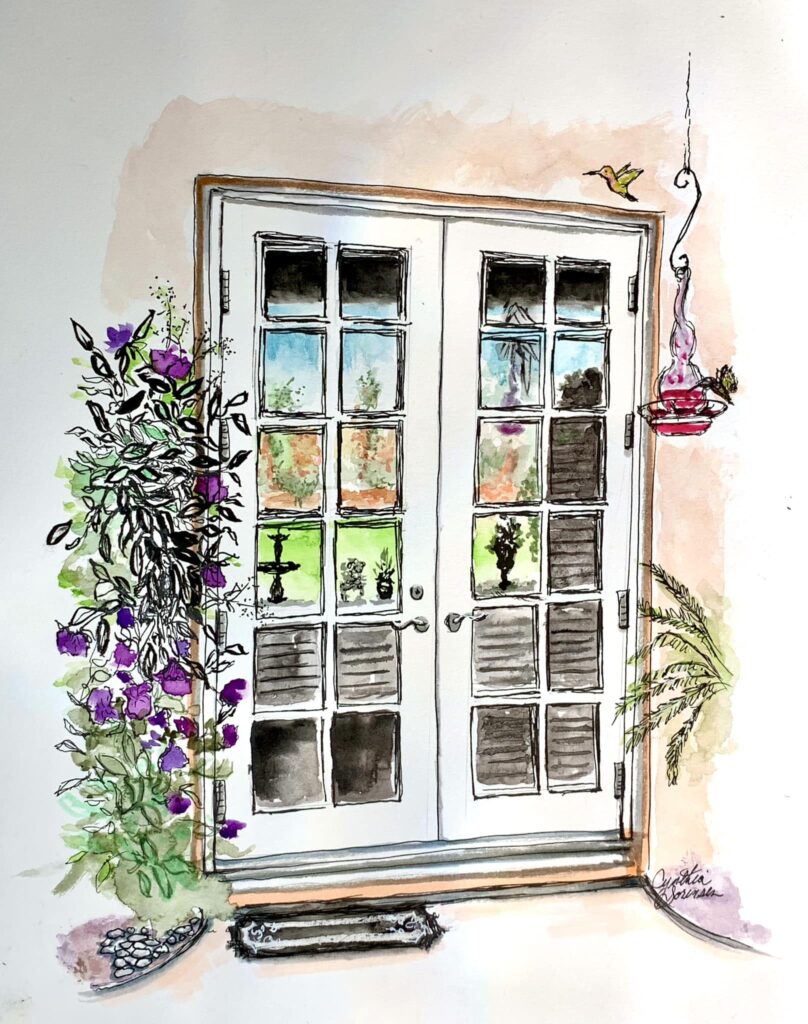
Sketch small moments. Instead of filling a whole page with buildings, try capturing a single doorway or window. This builds your confidence in noticing detail.
Join the community in looking. Share your sketches with others in the PLUS members Facebook group, or the Student Gallery, and ask them what they noticed. Often they’ll pick up on things you didn’t, and that broadens your own observation skills.
Think of it as tuning your eyes. Just as a musician trains their ear, a sketcher trains their sight. The more you practise, the more natural it feels – and the more alive your sketches become.

Final Thoughts: The Art of Noticing
The next time you sit down with your sketchbook, resist the urge to rush. Give yourself a moment to stop, to breathe, and to notice. Those wonky lines and quick gestures you capture aren’t flaws – they’re part of the story you’re telling. Urban sketching isn’t about creating perfect replicas; it’s about seeing the world with curiosity and sharing what you see with others.
Observation connects us not just to the page, but to each other. When we sketch, we’re part of a larger community of people who are all trying to notice more, see more, and celebrate the everyday through drawing. That sense of shared seeing is powerful.
So don’t worry about precision. Worry about paying attention. Because it’s in the small, ordinary details – the crooked lampposts, the ivy-covered walls, the resting bicycles – that the heart of sketching really lies.
Ready to learn more?
If this blog has got you thinking more about how observation shapes your sketches, our Sketch People course is the perfect next step. It’s all about noticing gestures, expressions, and those little details that bring people to life on the page. The course is available now, ready for you to explore at your own pace.