5 top tips for taking feedback
Knowing how to take feedback to your sketches is a positive experience, or at least it should be. It’s a chance to hear other people’s opinions and grow your skill set.
As artists, we spend our working lives viewing and critiquing other artists via Instagram or the Urban Sketch Gallery. We’ve mastered our feed to contain images we enjoy, but what about when feedback is left on our sketches?
Well, we’ve got 5 brilliant tips on how to take feedback on board in a positive and professional manner.
TIP 1: Accept all feedback
The worst thing you can ever do when reading your comments is to think everyone is wrong. It’s imperative to accept and acknowledge all feedback whether you initially agree with it or not. Taking a moment to reflect on what’s being said is more likely to help you improve as an urban sketcher.

TIP 2: Test Changes
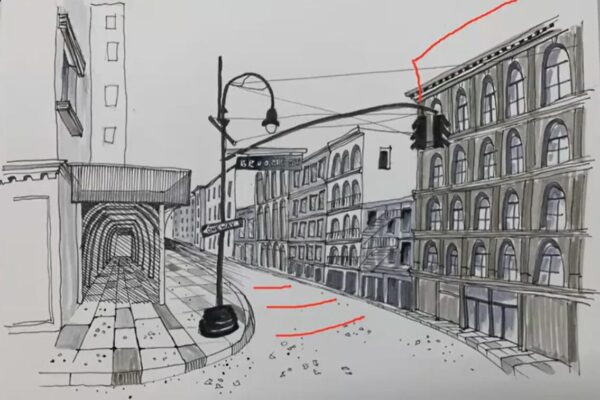
There’s no harm in seeing if that feedback makes improvements, right? It could just be as simple as tweaking your slanted perspective, deepening your shaded areas, adding warmer tones or applying more pen work.
If the feedback makes a difference to your sketch, take a mental note and apply the same techniques to your next sketch!

TIP 3: Decide for yourself
Following on from testing the changes it’s now solely down to you to decide if the advice was right – or at least if your creative eye agrees. Urban Sketching, like any art, is subjective so there is no hard right or wrong – it’s a personal interpretation.

TIP 4: Give thanks
A simple ‘thanks’ or ‘I’ll take another look’ can go a long way. Don’t tell them ‘you’re wrong’, but certainly feel free to offer a comment as to why you’ve constructed your sketch the way you have, if it has an unusual style. They may just not understand it.

TIP 5: Grow your sketches
Repeat this cycle again and again and it will only serve to grow your creative soul. You’ll find that people are right and you are wrong sometimes – and that’s fine, we’re not perfect after all so don’t pretend to be. After all, we’re all here to improve!
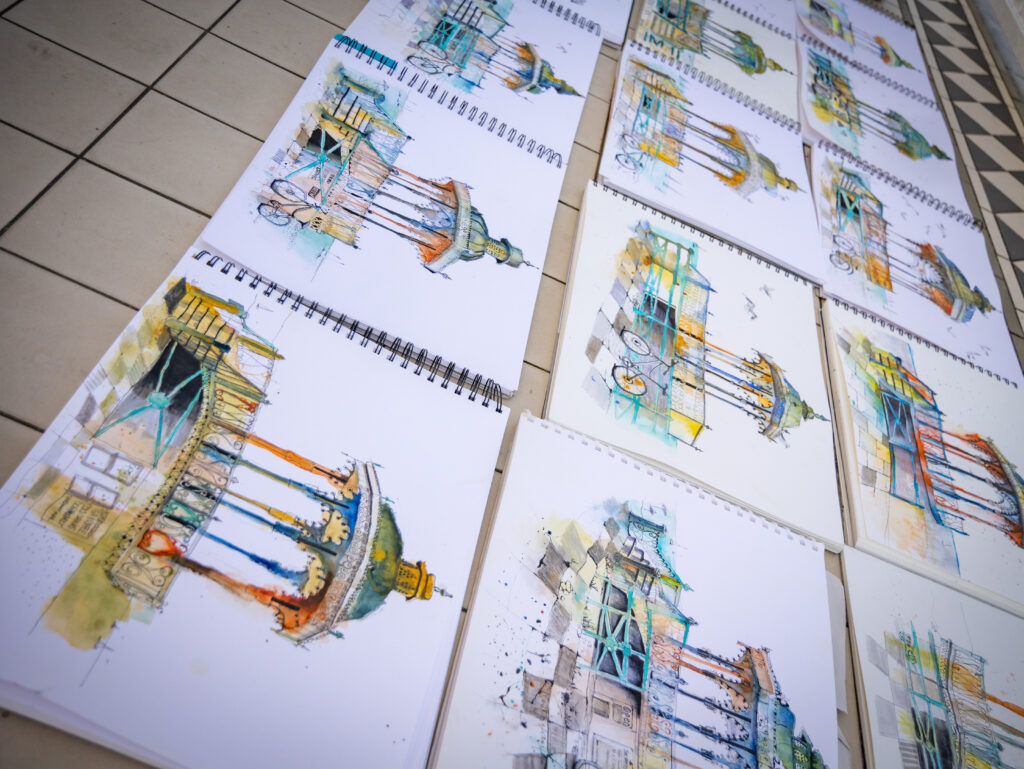
Please note that the feedback gallery is a peer-to-peer environment where we encourage all of our students to offer positive advice and constructive criticism to each other. It is there to help you develop as an artist with help from the Urban Sketch Course community. We look forward to seeing your sketches there soon!